Europa Today
Home Energy Crude Oil By Charles Kennedy - Nov 02, 2026, 7:00 PM CST Trump’s $100 billion Venezuela oil deal faces growing scrutiny, as NABEP confronts questions over financing, drilling capacity and its ability to develop 65 billion barrels of reserves. NABEP claims production has surged to 223,000 bpd, with plans to deploy 41 rigs in November and eventually exceed 1 million bpd. Venezuela’s oil revival is attracting major international players, including Chevron, Eni, BP and Continental Resources, despite persistent investment and operational challenges.
“The biggest oil deal in world history” between the Trump Administration and North American Blue Energy Partners may not live up to the hype as the privately held and previously little-known company could face steep challenges in developing Venezuela’s huge oil resources, Reuters reported , citing more than a dozen oil workers, contractors, and experts from the industry. Following the capture of Nicolas Maduro by U.S. forces in January, the U.S.-backed interim Venezuelan government has made changes to the legal, regulatory, and commercial frameworks, which has started to attract a broad pool of investors in its oil industry. Eni, Repsol, and Halliburton, to name a few, are back with deals to develop and help drill oilfields.
U.S. supermajor Chevron has pledged over $7 billion in investment over the next five years to more than double its production in Venezuela to about 600,000 barrels per day (bpd) by 2031. The new oil order in Venezuela also includes North American Blue Energy Partners (NABEP), the company led by Venezuela-born businessman Alejandro Betancourt and involved in “the biggest oil deal in world history”. As much as $100 billion in investment could be involved in new oil infrastructure after the interim Venezuelan authorities granted NABEP 100-year concessions for 17 oilfields with proven reserves of approximately 65 billion barrels, according to the White House .
Yet, NABEP could face challenges in hiring workers, competing for rigs, and securing capital to develop the huge resources in Venezuela, Reuters reported last week. The company disputed Reuters’ article, saying that the publication, even after receiving a detailed response to questions, ran only the parts that suited its “biased narrative” to question whether NABEP could deliver on its goals. This weekend, NABEP said its in-country fleet in Venezuela would reach in November a total of 41 of the 60 rigs announced in October.
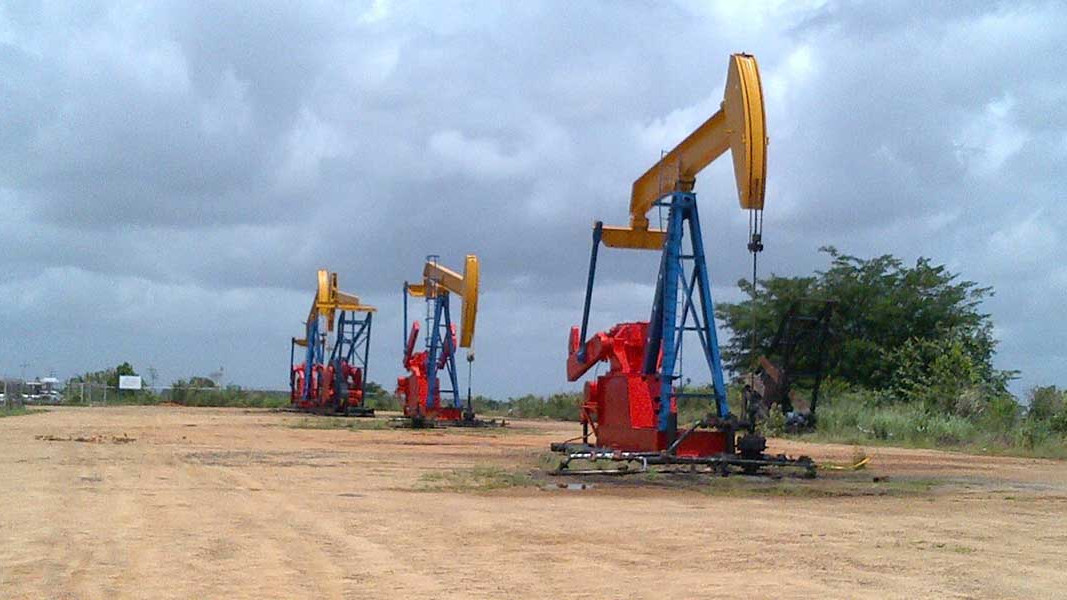
Currently, NABEP has nine drilling rigs that bore new wells in Venezuela. Three are active in the Junín 10 block of the Orinoco Belt, three more will start there soon, and three are being refurbished or moved into position. Four more rigs are being shipped from Houston, Brazil, and Colombia, the company said.
“We are paying for every one of these rigs with the oil we produce. It’s the same reinvestment strategy we used to successfully grow production tenfold in two years,” NABEP CEO Alejandro Betancourt said in a statement. NABEP said it had boosted its oil production in Venezuela from 18,000 bpd to 223,000 bpd in two years via about $1 billion in company-funded investment.
“NABEP controls the rights to commercialize more than 65 billion barrels of P1 oil reserves in Venezuela and plans to invest nearly $100 billion to increase production capacity and improve oil-and-gas infrastructure,” said the company, adding that its near-term goal is to increase production to more than 1 million barrels of oil per day. In the rebuttal to Reuters’ article, NABEP said its “business plan doesn’t currently contemplate raising outside funding or offering new equity stakes. We’ve already proven we can grow without outside money, and that's our focus for the time being: we’re reinvesting hundreds of millions of dollars more into expanding production with every passing month.” The closely-held company hasn’t released many details about how it is financing the operations.
“NABEP’s $100 billion figure represents a long-term funding requirement, not committed near-term capital, and the company has not disclosed a detailed financing structure,” intelligence firm Rystad Energy said in September. At any rate, oil production in Venezuela is set to grow, not only from NABEP and Chevron, but from other companies that are returning or setting foot in Venezuela. Continental Resources, for example, has announced a Memorandum of Understanding with state oil firm PDVSA to operate and develop the Ayacucho 2 Block in the prolific Orinoco Oil Belt.
Ayacucho 2, which Continental Resources will operate with a 100% interest, has an estimated 30 billion barrels of resource in place. Italy’s Eni signed a strategic contract in Venezuela to become the operator of the giant Junín-5 oil field in the Orinoco Belt. Junín-5, a heavy oil field containing 35 billion barrels of certified oil in place, currently produces around 12,000 bpd.
BP, ADNOC’s international energy investment company, XRG, and Qatar’s UCC Oil and Gas Holding were awarded a license for the Loran offshore gas field in Venezuela, which is northeast of the Orinoco Delta and near Venezuela’s maritime boundary with Trinidad and Tobago. By Charles Kennedy for Oilprice.com More Top Reads From Oilprice.com Brent Hits $117 as Tanker Catches Fire in Strait of Hormuz Japan to Tap $7 Billion from Government Fund to Subsidize Gasoline Prices European Gas Tops 101 Euros for First Time Since 2022 Download The Free Oilprice App Today Back to homepage Charles Kennedy Charles is a writer for Oilprice.com More Info Leave a comment EXXON Mobil -0.35 Open 57.81 Trading Vol. 6.96M Previous Vol. 241.7B BUY 57.15 Sell 57.00 "